An architectural and engineering challenge
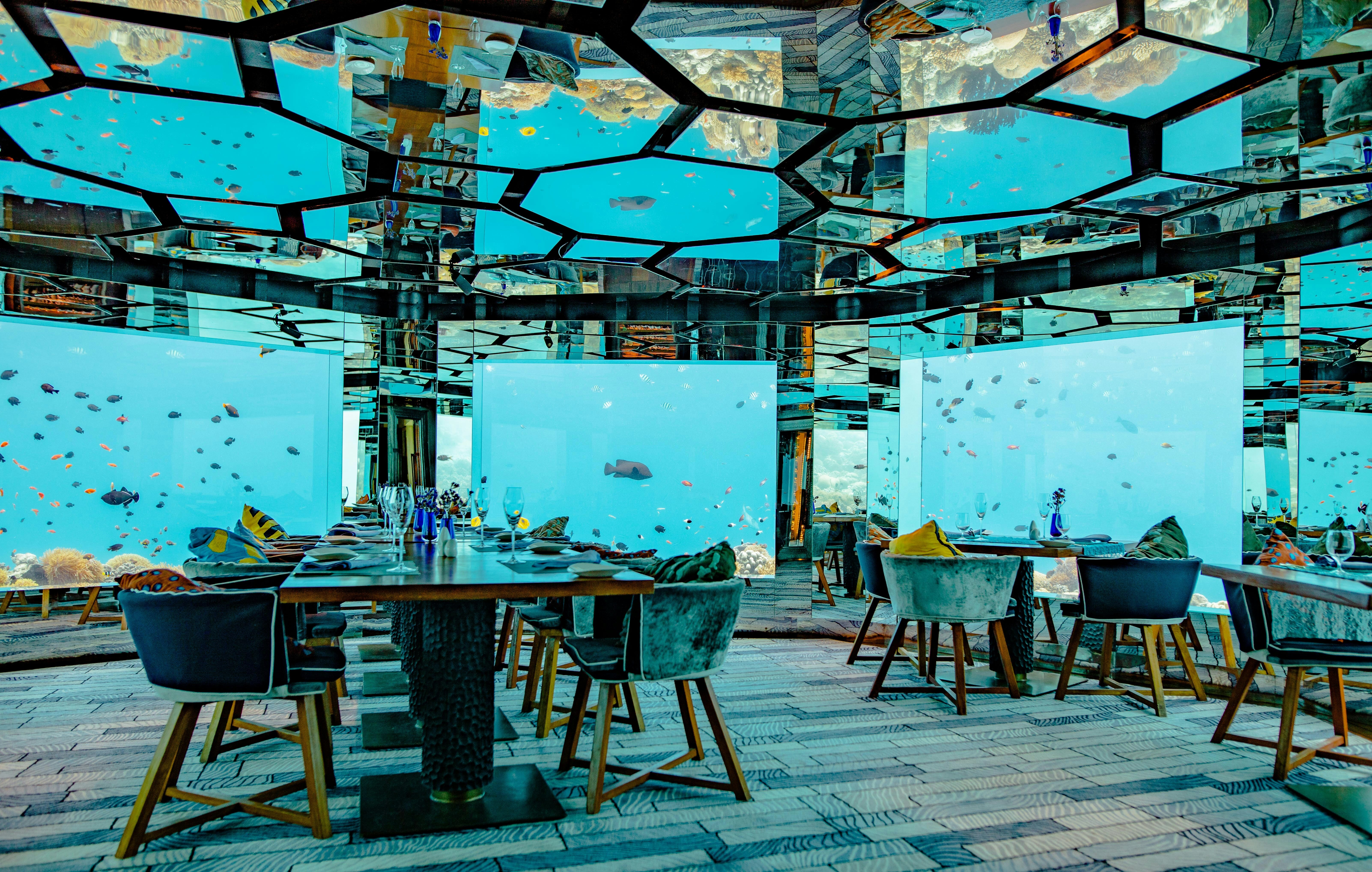
Creating a bedroom beneath the sea requires specialised engineering. The structure must withstand water pressure while maintaining the clarity and integrity of its transparent panels. Designers must also consider maintenance, marine growth and the long-term performance of materials exposed to saltwater.
These technical requirements contribute to the complexity and cost of underwater accommodation, making it a relatively rare feature in luxury hospitality.
Three distinctive experiences
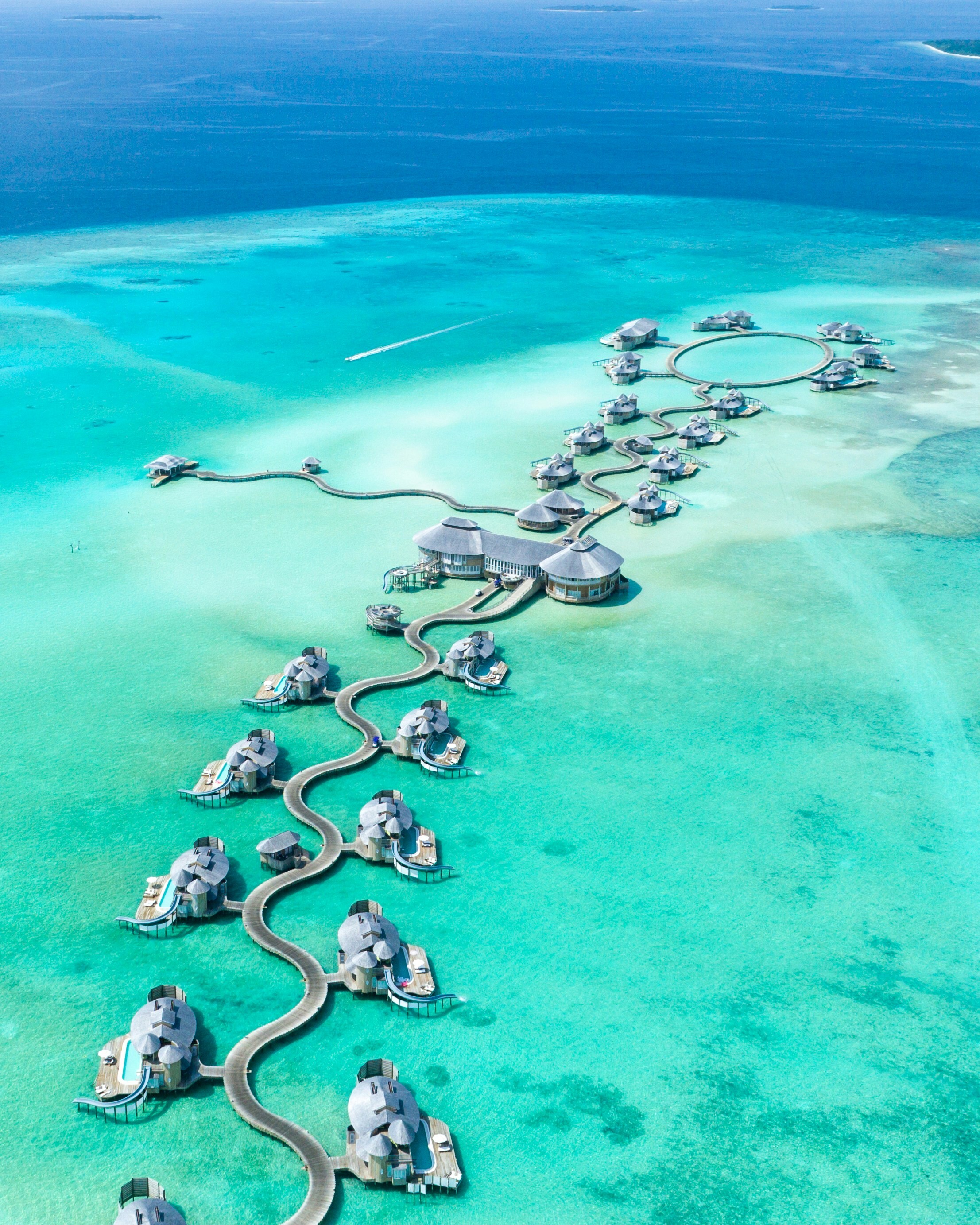
At Conrad Maldives Rangali Island, The Muraka combines an above-water residence with a submerged bedroom and bathroom, approximately five metres below sea level.
In Dubai, Atlantis, The Palm offers underwater suites overlooking the resort's marine habitats. On Pemba Island in Zanzibar, The Manta Resort features a floating room anchored offshore, with a bedroom beneath the waterline.
Although each property follows a different design approach, all place the surrounding marine environment at the centre of the guest experience.
The value of rarity
The cost of an underwater stay varies considerably according to the property, season, accommodation type and services included. The Muraka, for example, has historically commanded rates in the tens of thousands of US dollars per night.
Beyond the price, the appeal lies in the unusual setting: a private space where the ocean becomes a living backdrop. These suites illustrate how luxury hospitality continues to explore architecture and nature to create experiences that are difficult to reproduce elsewhere.
Source: Luxury Travel Magazine — Underwater Hotel Suites: The Pinnacle of Luxury.