Emotional Connection as the Primary Driver
Emotional resonance has overtaken heritage, craftsmanship, and logo recognition as the single most important factor for luxury brand desirability in both key markets. Clients are prioritizing brands that align with their personal values and identity over traditional status symbols.
Distinct Regional Dynamics
The study highlights key differences in consumer behavior across the two major luxury markets:
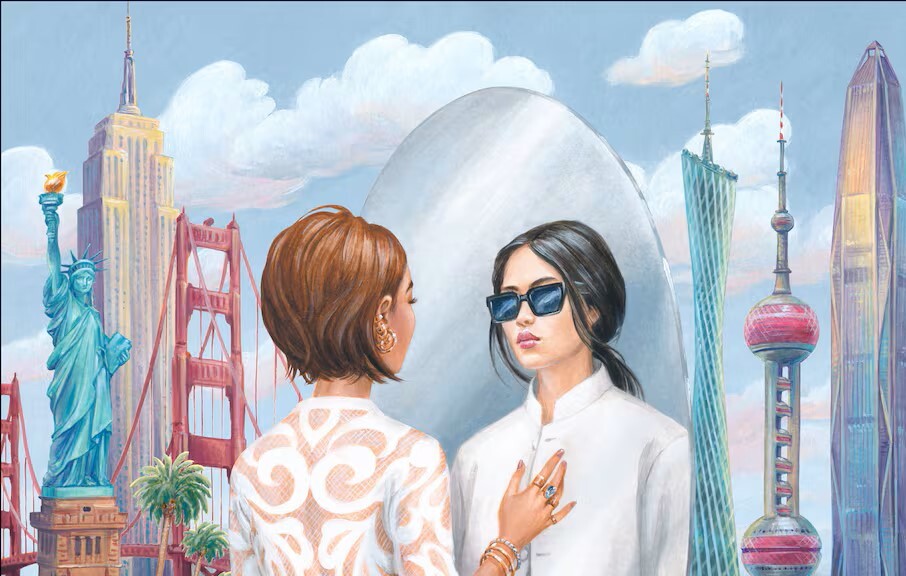
• United States ($130B Market): 68% of clients feel challenger brands better reflect who they are compared to legacy houses. Purchases are largely driven by self-reward, though pushy retail experiences remain a key pain point.
• China ($60B Market): 69% of clients stay attached to legacy brands, viewing luxury as a means of social expression. Physical retail plays a vital role in reaching entry-level aspirational shoppers.
Reimagining Exclusivity and Engagement
Consumers are becoming increasingly skeptical of artificial scarcity and price hikes lacking real innovation. Bespoke service is now the top driver of exclusivity in China, while US clients favor early access and loyalty rewards over waitlists. Additionally, AI and resale channels are shaping the modern shopping journey across both regions.
Core Strategic Priorities
To thrive in this "new-normal" environment, luxury executives must move beyond quality and craftsmanship as sole differentiators. Brands need to invest heavily in emotion-driven storytelling, elevate store experiences, and treat brand meaning as a primary top-line growth driver.
Source : Business of Fashion