The museum as brand manifesto
For the great luxury houses, the museum space has become far more than a communication tool. It is a manifesto, a way of telling the world who you are, where you come from, and why what you make has value. Hermès, through its travelling exhibitions and open workshops, has spent years making the invisible visible: the saddler's gesture, the couturier's precision, the leather craftsman's patience.
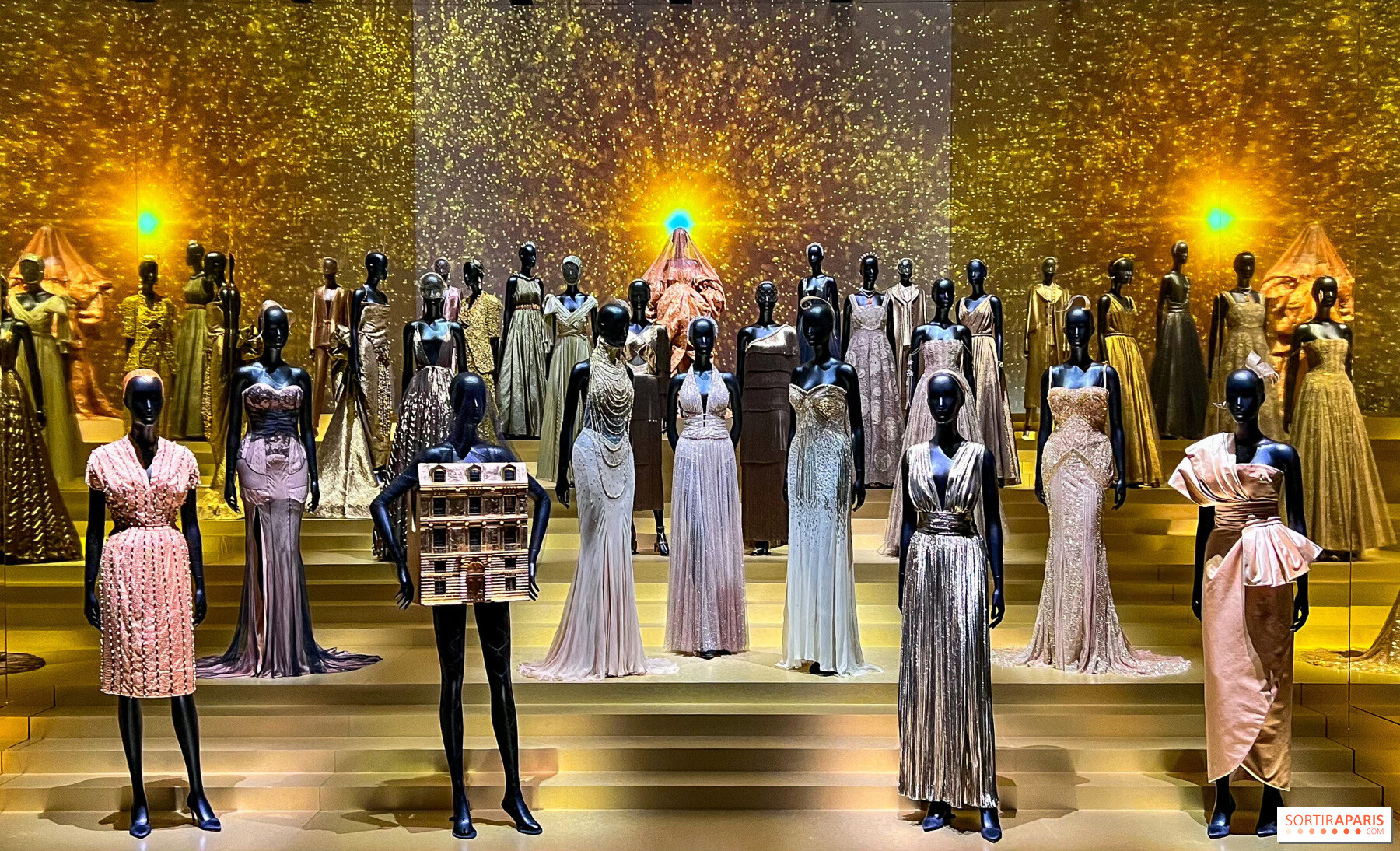
Dior, for its part, has invested in permanent spaces in Paris and around the world, where the house's history is told through its archives, working toiles and artistic collaborations. The Musée Christian Dior in Granville, regularly enriched with new exhibitions, has become a cultural destination in its own right.
Craftsmanship as the ultimate differentiator
In a context where luxury consumers, and particularly younger ones, expect brands to justify their value beyond price, craftsmanship has emerged as the ultimate differentiating argument. Showing how a piece is made, by whom, with what materials and according to which traditions, is a direct response to growing demands for transparency and authenticity.
A long-term investment
By multiplying these cultural spaces, Hermès and Dior are not merely communicating, they are building a lasting relationship with their audience, shaping perceptions and embedding their legitimacy over time. A strategy rooted in the long view, far removed from the short cycles of digital marketing.
Source: Modern Retail / Business of Fashion