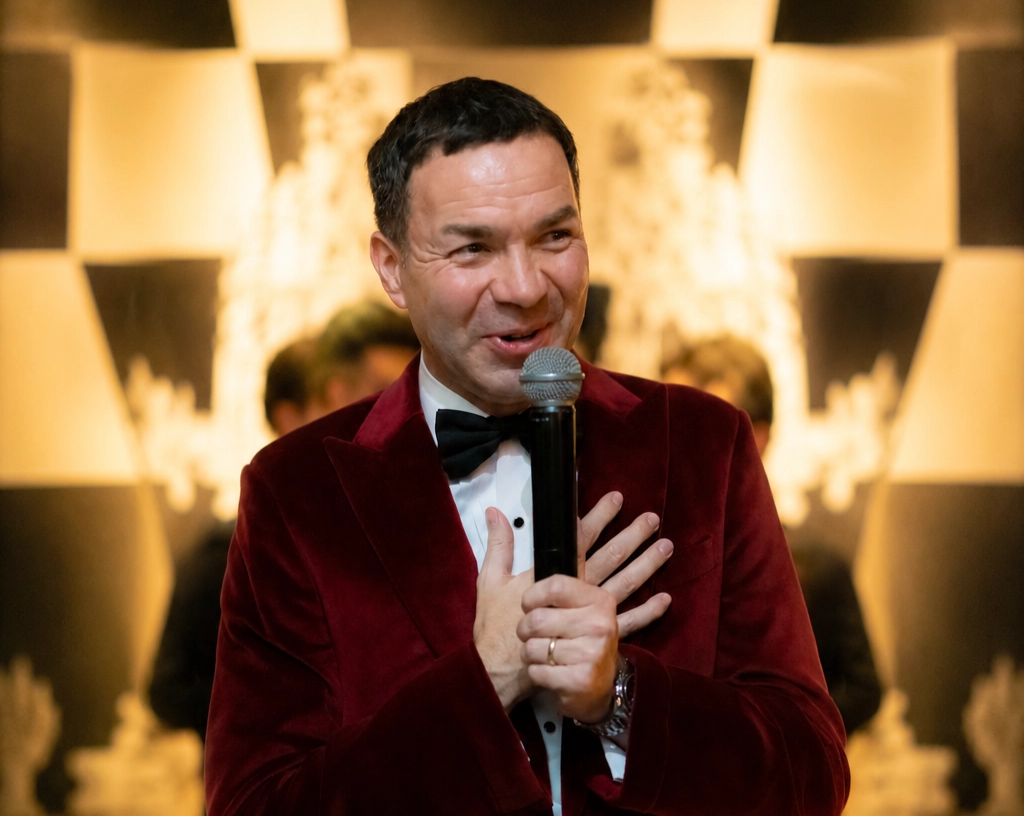
1. You have worked across Four Seasons, Peninsula, Mandarin Oriental, Kempinski and now Accor. What differences did you notice between these brands?
All of these brands are amazing and unique in their own way. They all strive for excellence and providing great experiences to the guests.
They definitely vary significantly in size. While Peninsula as the smallest of the above mentioned brands has 12 hotels worldwide, Sofitel and MGallery currently operate over 250 hotels globally.
All of the above brands do have a strong service culture but from different origins, for FS that would be Canada, for MO and Peninsula that would be Asia and for Kempinski and Sofitel it would be Germany and France respectively.
One of the things they have in common which is quite important to me personally is that they still leave a certain level of freedom to the General Manager to execute the brand’s vision. I personally feel that some of the large US brands do not provide much freedom in decision making to a GM these days.
2. You started in Germany, worked in New York, the Caribbean, Hong Kong, London, Munich, and eventually settled in Bangkok. What were the main similarities and differences you observed?
Working in the US was definitely different as I had to work with Unions which was very new to me and put limitations on what could be achieved or how fast things could be done.
The resort environment in the Caribbean also has it’s own pace, things are not moving very fast, especially when compared with Asian city environments like Hong or Bangkok.
One thing working in different environments does have in common is: Treat your team well & look after them. If the team is happy and enjoy the work they will provide excellent service to the guests.
3. At Kempinski, you created Thailand's first children's cooking school. How do you spot opportunities that others overlook?
I strongly believe that when anyone of us starts a new assignment, that person would have a fresh pair of eyes and question why things are being designed, set up or executed in a certain way. This is why I ask every new colleague who starts with us in a managerial to take notes when they observe things which they question during the first 90 days into the job. While one not should rush to make changes to quick you do want to lose these observations from a new colleague with a fresh pair of eyes.
4. The full renovation of Sofitel Bangkok Sukhumvit, the Belga Rooftop launch, the skybridge to the BTS. What does it take to reinvent a property without losing its soul?
There is always a fine balance, the older or more historical the hotel is, the more challenging it is not to lose the DNA. I believe that the refreshed or new design should not be too radical or too contemporary, but rather something which is relevant and timelesswhile playing a subtle homage to the past you have a good chance to keep the soul.
5. You now oversee nine properties across Thailand, with two more openings in 2026. How does your leadership change when you go from running one hotel to managing a whole portfolio?
I believe it is very important to empower people to make decisions. I see my Area role first and foremost as a support role to the GM and Hotel Managers on site in each property. They do run the show, I am there to support when needed. The second part of this role would be to build the relationships with the respective owners and be their first point of contact when they have questions for the brand.
6. You have watched Bangkok evolve as a luxury destination for over two decades. How has the guest changed, and what does that demand from hotels today?
The guests coming to Bangkok have definitely changed over the last 25 years and on more than one level.
First I would say is the geographic mix, 25 years ago most of the tourists visiting Thailand were from long haul markets such as Europe, the UK or the USA.
Business was also much more seasonal back then.
Now you have a much more diversified group of Nationalities which includes China, India, the Middle East but also Japan, Korea and Australia amongst many other Nations.
Expectations have also changed and not only in Thailand.
Today, it is much more about experiences, wellbeing, personalization, and authenticity.
20 years ago tourist coming to Thailand typically wanted a beachfront resort, large rooms and luxury villas. Fine dining and international cuisine, Golf, spa treatments, and shopping.
Today travelers are increasingly seeking something different:
Personalization over Standardization
Customized wellness programmes
Personalized dining experiences
Bespoke excursions
Twenty years ago, the spa was an amenity. Today, wellness can be the reason for the trip.
Another change is that many people consider Privacy the New Luxury. They no longer want to be seen. Instead they seek Exclusive-use experiences, Quiet destinations as well as seamless VIP arrivals and transfers.
Luxury travelers increasingly want stories and meaningful memories rather than simply expensive surroundings.
Sustainability Has Become an Expectation
Twenty years ago, sustainability was rarely discussed.
7. Managing owners, brands, operations and teams all at once is a constant balancing act. Where do you put your energy first?
At the very beginning you need to build that relationship with the owner. After that my focus has always be on the staff first. If you do have the right team and look after them, they will deliver the brand standards and ultimately provide excellent service.
8. After more than 25 years in this industry, what is the one thing hospitality has genuinely surprised you with?
The possibilities you have to explore the world when you work with passion in the hospitality industry, especially when you are young and don’t have anybody depending on you. The world than really is your Oyster and you can work pretty much anywhere on the globe from the Big Cities to the small hidden resort islands. Living and working in a place also gives you always a much deeper insight into a culture compared to when only visiting on a holiday.
9. What career advice would you give to yourself if you could go back to the very beginning of your professional journey?
Let’s do it all again. I honestly think I would not change much. It has been an amazing journey so far. One advise I would have for everybody is:
You may get the fastest from A to B in a Ferrari and using the highway, but you see much more from the world around you if you drive on the countryside roads in an old convertible with roof open. Enjoy the ride!