Thailand’s Strategic Shift Toward High-Value Luxury Tourism
Despite a slight drop in overall tourist arrivals, Thailand is seeing a strong rebound in Chinese visitors, who remain its top source market. Constrained by flight capacity, the Tourism Authority of Thailand (TAT) is pivoting from volume-driven tourism toward higher spend per visitor, aiming to raise average trip expenditure from $1,500 to $2,400. The new strategy focuses on exclusive, meaningful experiences in wellness, medical travel, golf, and cultural festivals to redefine luxury in the region.
Evolving Shopping Habits and Bangkok’s Retail Expansion
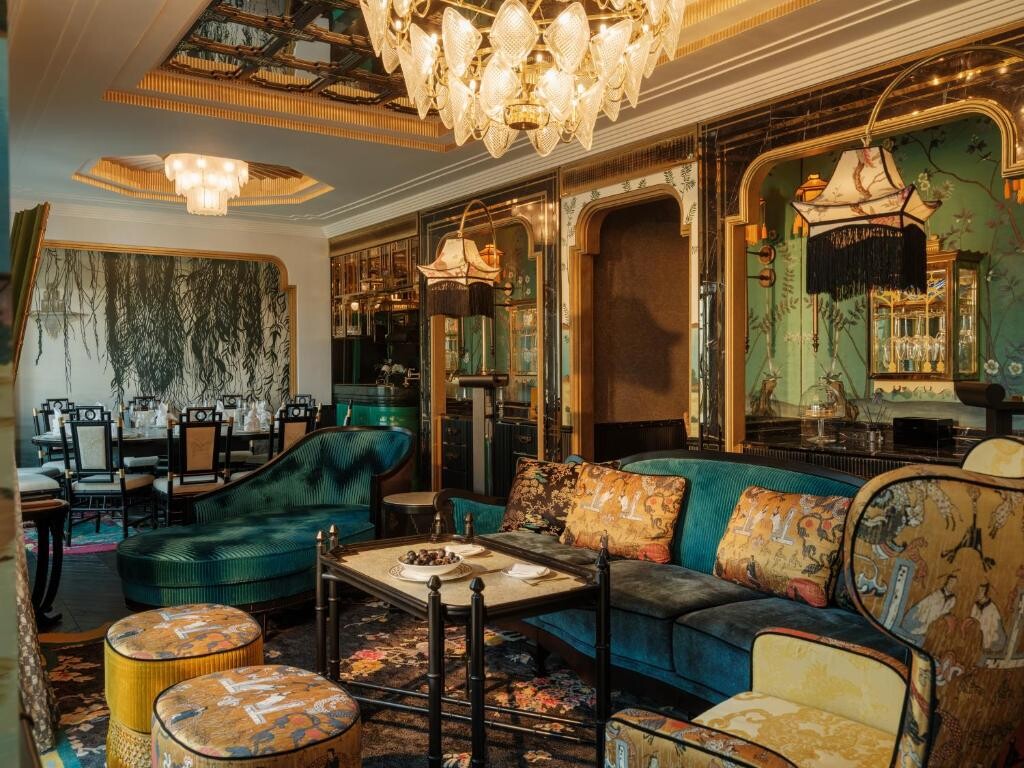
Outbound travel patterns from mainland China are shifting rapidly. While Seoul and Kuala Lumpur capture significant regional traffic, traveler spending has moved heavily toward fashion and beauty, taking market share away from hard luxury like watches and jewelry. In response, Bangkok is aggressively expanding its luxury retail ecosystem, highlighted by Buccellati opening its largest Asia-Pacific boutique at Siam Paragon and the growth of events like Bangkok Watch Week. Hosting the summit at Capella Bangkok anchors these hospitality and retail developments.
Key Strategic Questions for Luxury Brands in Asia
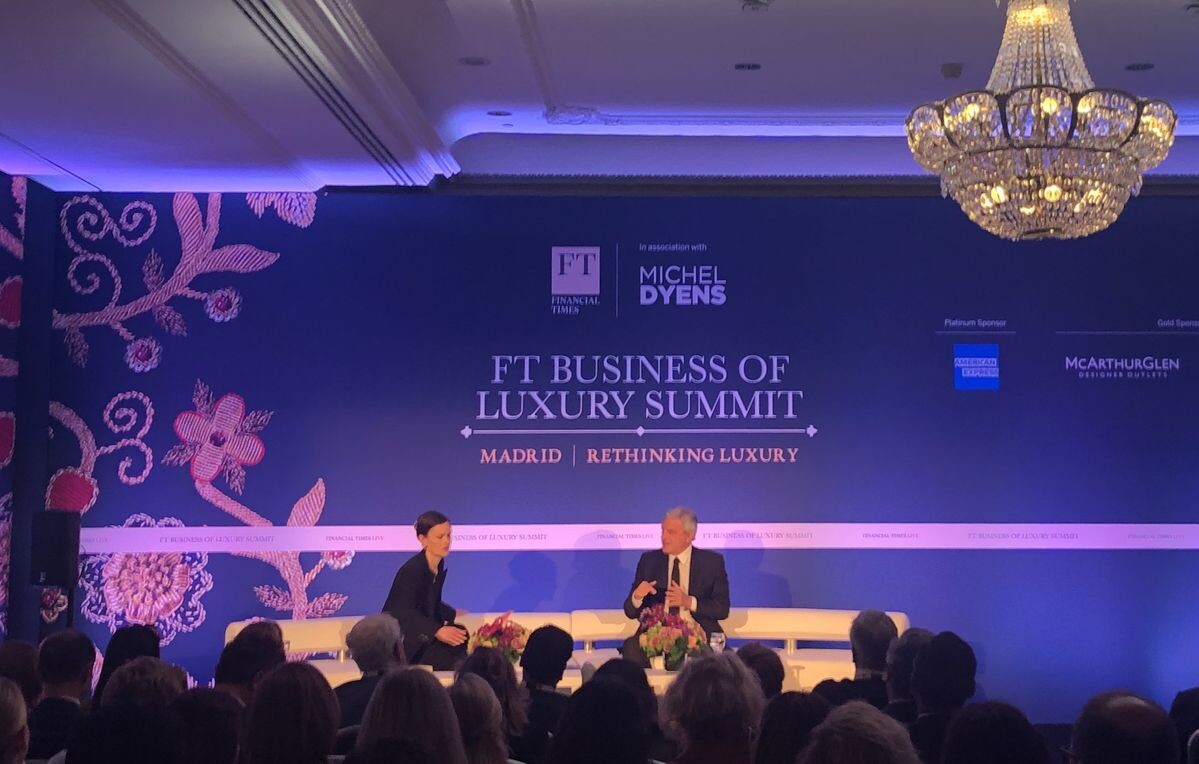
Gathering around 400 brand executives, investors, and hospitality leaders, the summit centers on three critical questions for luxury strategies in Asia. Attendees will examine whether hard luxury can retain its share against fashion and beauty, how effectively Thailand can win back short-haul travel from regional competitors, and whether a market historically built on high volume can successfully transition toward a high-spending, premium model.
Jing Daily