From Simple Amenities to Tailored Wellness Rhythms
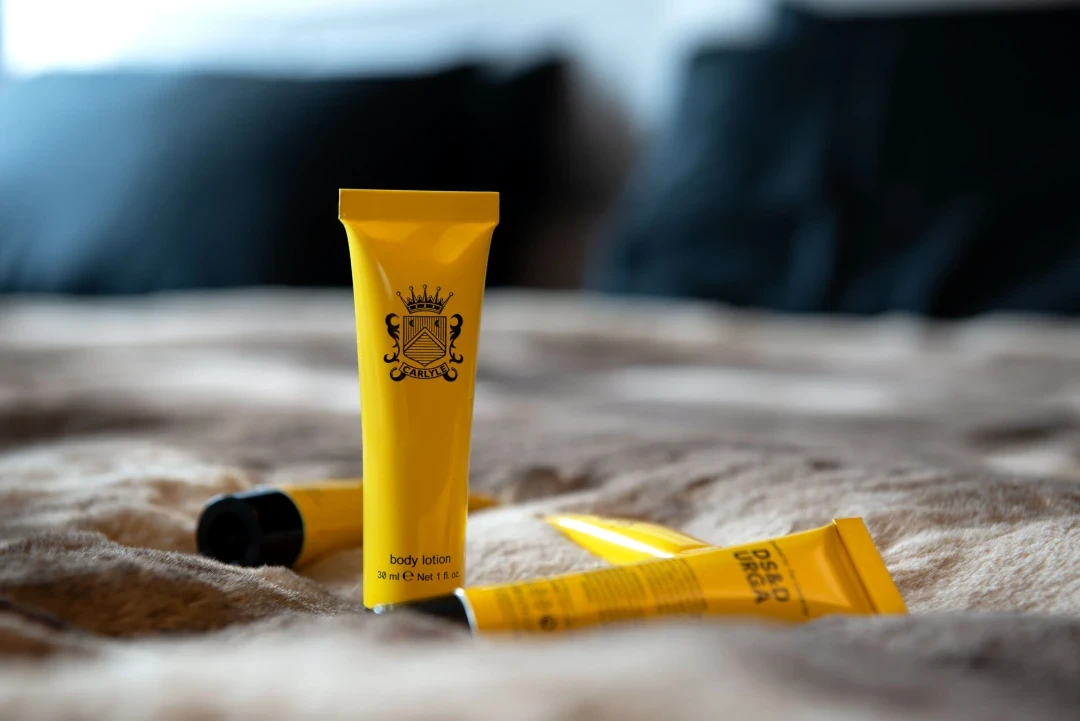
Beauty integration in luxury hospitality has evolved far beyond tiny amenity bottles left on bathroom sinks. Prestigious houses such as Guerlain in Beijing, Augustinus Bader at the Bvlgari Hotel in Shanghai, and La Prairie in London are now designing dedicated spas and full treatment protocols. These strategic partnerships allow brands to showcase complex formulations, high-end skincare, and haircare routines that require time, repetition, and therapist expertise to demonstrate their true efficacy.
Room Privacy as a Conversion Catalyst
The hotel room offers a pressure-free, private environment where guests spend 8 to 12 hours interacting with a fragrance or personal care product. Industry data reveals that 68% of business travelers actively try hotel amenities, with 34% purchasing a product following a positive experience. This prolonged exposure integrates naturally into a guest's daily routine, making it significantly more persuasive than a brief interaction at a retail counter.
Performance Tracking and Digital Conversion in China
The main challenge of this strategy lies in measuring how trial turns into direct purchase. In this regard, China holds a distinct advantage thanks to its integrated digital ecosystem: through WeChat mini-programs and local fulfillment, guests can order products tried in their room or spa before even checking out. Consequently, brands can manage hospitality partnerships with the same tracking rigor and data discipline as standard e-commerce channels.
Jing Daily