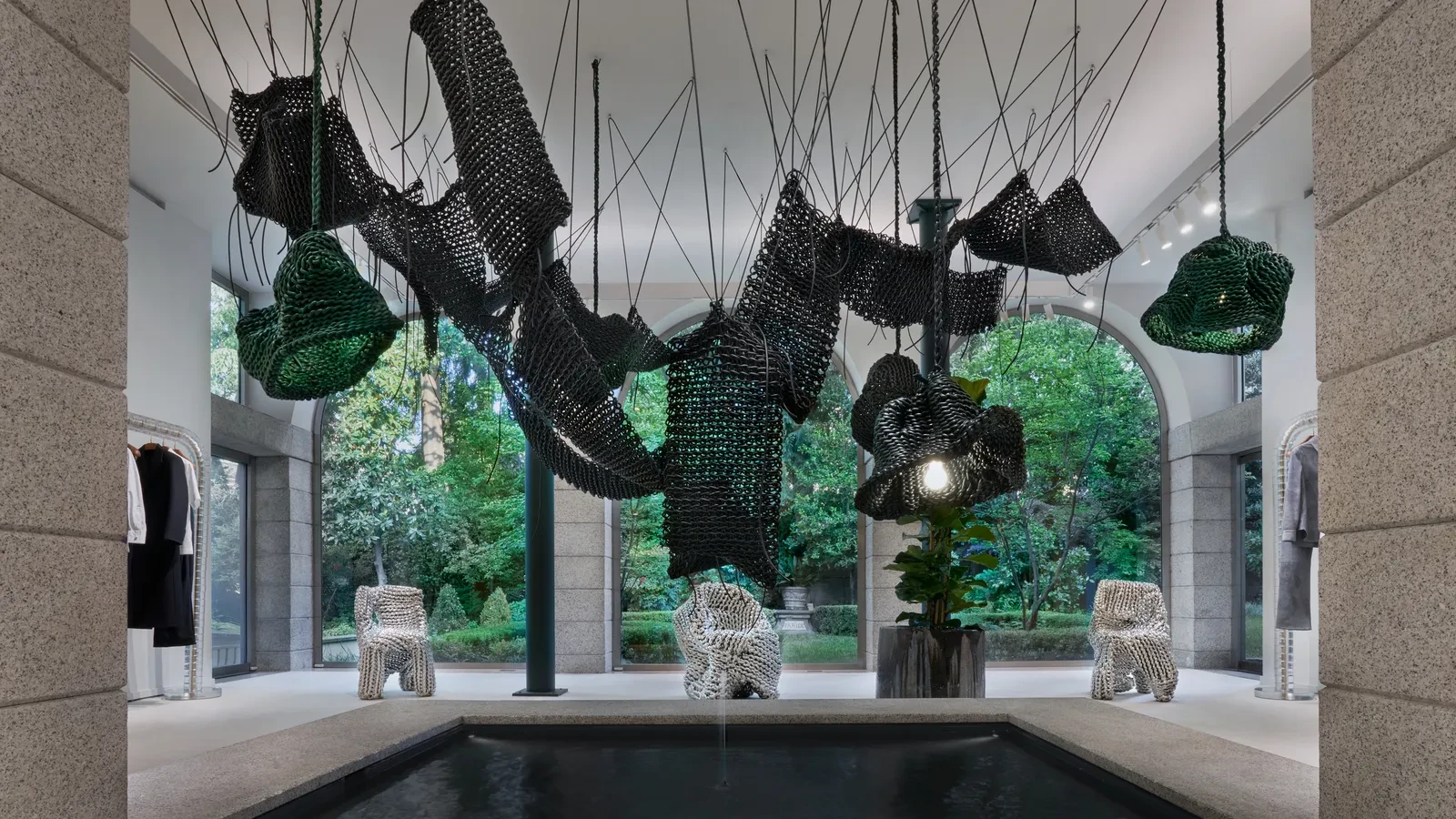
Extending brand territory beyond the product
The strategic logic is straightforward. In a market where the most coveted clients are increasingly immune to traditional advertising and suspicious of marketing as performance, cultural relevance has become the scarcest luxury resource of all. Being seen as a force in design, architecture, art and gastronomy, not just fashion, signals a depth of creative identity that a runway show alone cannot achieve.
For Louis Vuitton, this means its Arts and Culture programme, which brings together exhibitions in its Espaces around the world. For Chanel, the installation of Le19M at the Pudong Art Museum in Shanghai, bringing its ateliers of craft to a new audience, is a similar move. The Milan Design Week appearances extend this logic into one of the world's most concentrated arenas of creative influence.
A long-term investment in imagination
The new Lyst Index methodology reflects this shift directly, measuring brand desirability not only through commercial performance but through the capacity to occupy collective imagination: search volume, social conversation, cultural visibility peaks. Houses that invest in design and culture are investing in the currency of attention that precedes purchase.
As the luxury sector enters a phase of normalization after years of volume-led growth, the distinction between the brands that endure and those that fade will increasingly be found in this invisible work: the patient accumulation of cultural credibility, one exhibition, one collaboration, one inspired hospitality concept at a time.