Wellness, food, and place as the new pillars
Three forces are converging to reshape the luxury hotel experience. First, evidence-based wellness, a move beyond generic spa menus toward scientifically grounded health programs tailored to individual guests. Second, gastronomy as destination, research shows that 60% of luxury travelers factor restaurant quality into their hotel choice, and properties with compelling dining concepts report up to 40% more positive reviews. Third, cultural rootedness, travelers, especially Gen Z luxury consumers, now seek destinations that are emotionally compelling and culturally immersive, not merely expensive.
The ultra-luxury segment deepens its lead
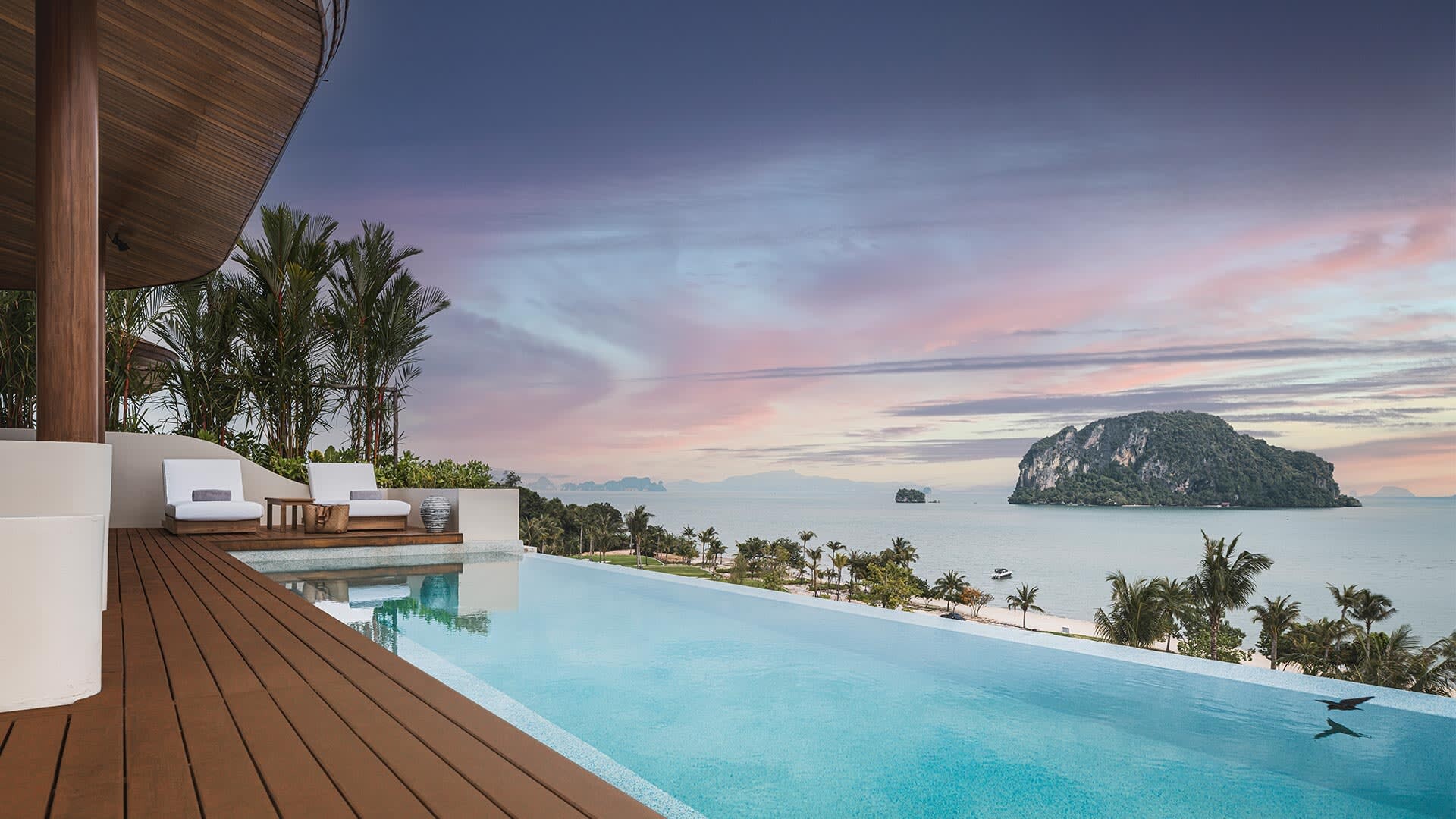
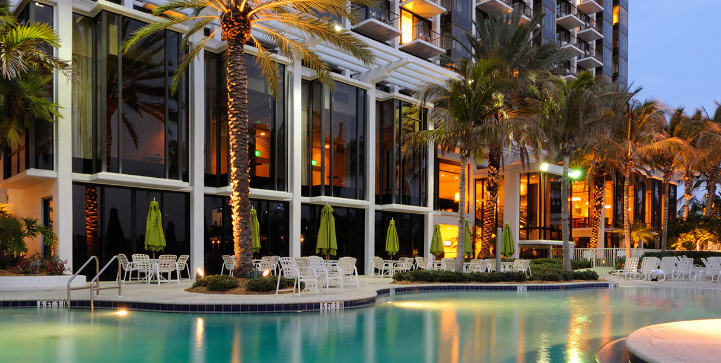
The hotel market is increasingly bifurcated. While economy and mid-scale segments are under pressure, the luxury tier is accelerating. High-net-worth travelers are among the most reliable drivers of hotel demand globally, and developers are responding with a surge of ultra-luxury projects offering privacy, bespoke wellness environments, and curated experiential programming.
New formats, from yacht-based luxury hospitality to private island resorts and brand-affiliated residences, are expanding the boundaries of what hospitality means. The 2026 FIFA World Cup is also expected to serve as a major catalyst for inbound travel, providing a boost to luxury hotel performance in host cities.
Personalization as the defining differentiator
Ultra-high-net-worth travelers in 2026 are prioritizing private, discreet, and deeply personalized vacations. Generic service excellence is no longer sufficient: guests expect their preferences, rhythms, and aesthetic sensibilities to be anticipated and reflected at every touchpoint. Technology, including AI-powered guest profiling, is accelerating this shift, enabling hotels to deliver personalization at scale without losing the human warmth that defines genuine luxury.