A category reborn
After years of pared-back restraint under the quiet luxury aesthetic, jewellery has emerged as fashion's most dynamic expressive frontier. If clothing is retreating into minimalism, accessories, and jewellery in particular, are doing the talking. Diamonds are no longer reserved for special occasions; they are worn stacked, layered, mixed with coloured stones, reimagined in unexpected cuts and settings that feel more personal than precious.
The data reflects this energy. Both fine and costume jewellery are projected to grow at 5.3 to 5.6 percent per year through 2028. Coloured stones, emeralds, sapphires, rubies, tourmalines, are enjoying a renaissance, prized for their storytelling quality and the sense of joyful individuality they project.
Why jewellery succeeds where fashion is struggling
The explanation is partly structural. Jewellery carries a perception of lasting value that ready-to-wear no longer reliably delivers. In a market where repeated price increases have generated scepticism, particularly in leather goods, jewellery benefits from a legitimacy of investment that remains largely intact. Kearney's analysis confirms that consumers are seeking "products with high longevity" and patrimonial value. A fine jewellery piece answers that brief in a way a seasonal bag no longer always does.
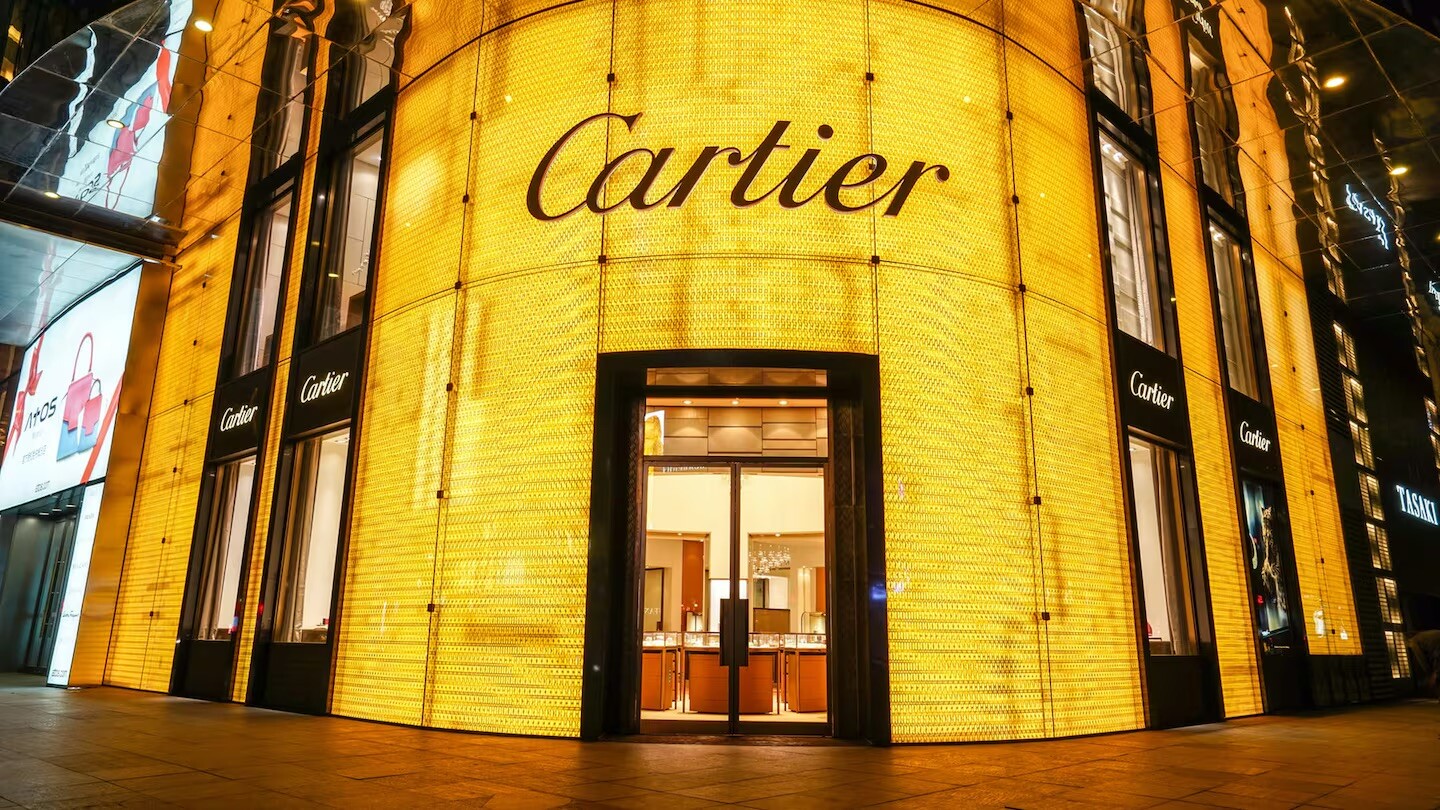
For luxury groups with strong jewellery divisions, Richemont, with Cartier and Van Cleef & Arpels; LVMH with Tiffany and Bulgari; Kering with Boucheron and Pomellato, this structural tailwind is one of the most reliable signals in an otherwise uncertain market.